Weight Training for Weight Loss⏬
Weight Training for Weight Loss – How Lifting Weights Boosts Fat Loss and Metabolism
There was a time when women were told to avoid lifting heavy weights. Thankfully, those days are over. Today, experts and trainers agree that Weight Training for Weight Loss is one of the most effective ways to reshape your body, increase your metabolism, and maintain long-term fat loss.
According to sports dietitian Tiffany Ma, RDN, “Strength training improves body composition by reducing body fat while maintaining or increasing lean muscle mass. It also supports long-term weight management by enhancing your metabolic rate and physical function.” Simply put, Weight Training for Weight Loss not only helps you burn fat now but also makes your body more efficient at burning calories in the future.
Why Weight Training for Weight Loss Works
Building muscle through resistance training creates a lasting impact on fat loss. Using free weights such as dumbbells, kettlebells, and barbells—or your own body weight—stimulates muscle growth and raises your resting metabolic rate.
Unlike cardio-heavy routines that can increase cortisol levels and slow down progress, Weight Training for Weight Loss improves metabolism without overstressing your body. This makes it easier to maintain results without relying solely on calorie restriction or excessive cardio.

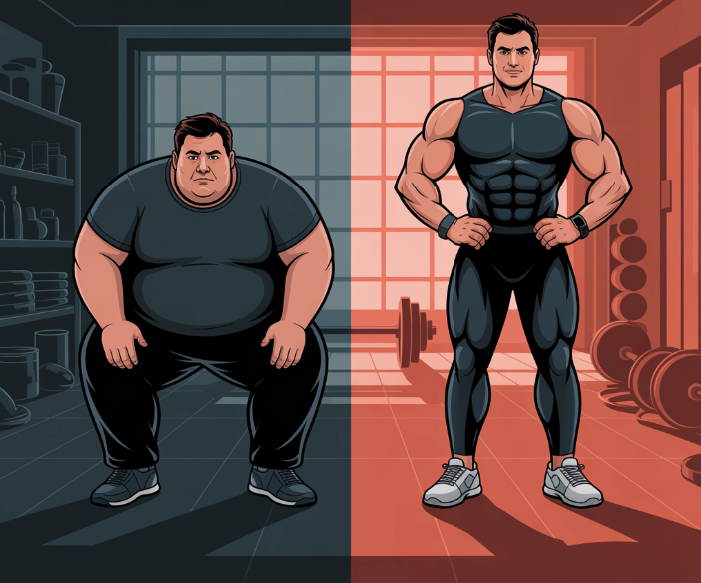
One important note: when you start Weight Training for Weight Loss, you may not see immediate changes on the scale. That’s because your body composition is shifting—you’re losing fat while building dense muscle tissue.
Expert Tips for Successful Weight Training for Weight Loss
1. Assess Mobility Before Adding Load
Before starting any Weight Training for Weight Loss program, make sure you can perform basic movements like planks, squats, and hangs with good form.
2. Master the Basics
Key functional exercises for Weight Training for Weight Loss include squats, push-ups, deadlifts, and rows. These movements engage multiple muscle groups and maximize calorie burn.
3. Use Different Types of Weights
For effective Weight Training for Weight Loss, mix light, medium, and heavy weights. Start with weights that challenge you for 8–12 reps while maintaining proper form.
4. Combine Strength and Cardio
While resistance training is central to Weight Training for Weight Loss, moderate cardio supports cardiovascular health and boosts calorie burn.
5. Prioritize Protein
Adequate protein intake is essential for Weight Training for Weight Loss success. Aim for 0.73–1 gram per pound of body weight daily.
6. Listen to Your Body
Rest, recovery, and injury prevention are just as important as lifting itself when following a Weight Training for Weight Loss program.
Sample Weight Training for Weight Loss Program
Weekly Plan:
- Monday: Workout 1
- Tuesday: Cardio
- Wednesday: Workout 2
- Thursday: Cardio or Yoga
- Friday: Cardio or Yoga
- Saturday: Workout 3
- Sunday: Rest
(Workouts remain same as in the original plan above, but framed as part of your Weight Training for Weight Loss journey.)
FAQ – Weight Training for Weight Loss
Can Weight Training for Weight Loss replace cardio?
Yes, it can be the primary driver of fat loss, though combining it with light cardio often improves results.
How soon will I see results from Weight Training for Weight Loss?
Most people notice changes in 4–6 weeks, especially in strength and clothing fit.
Does Weight Training for Weight Loss make women bulky?
No, it builds lean, toned muscle without excessive mass.
What’s the ideal diet for Weight Training for Weight Loss?
A protein-rich, nutrient-dense eating plan supports muscle growth and fat loss.
Conclusion
Weight Training for Weight Loss is more than just an exercise trend—it’s a scientifically backed method to burn fat, build muscle, and boost metabolism for lasting results. By focusing on progressive resistance training, balanced nutrition, and recovery, you can transform your body composition and maintain your results for life.
Whether you’re a beginner or experienced lifter, committing to Weight Training for Weight Loss will empower you to reach your fitness goals faster and more sustainably than with cardio alone.