Thigh and Hip Fat Loss: Genetics, Hormones, and Realistic Expectations⏬
Thigh and Hip Fat Loss: Genetics, Hormones, and Realistic Expectations
When it comes to body transformation, few areas cause as much frustration as the thighs and hips. While some people lose fat easily from their upper body, the lower body often holds on stubbornly. For many women, Thigh and Hip Fat Loss feels like an uphill battle, influenced by genetics, hormones, and body type.
But here’s the truth: understanding how fat distribution works—and why some areas resist change—can help you set realistic expectations and focus on strategies that actually deliver results.

Understanding Pear-Shaped Body Fat Distribution
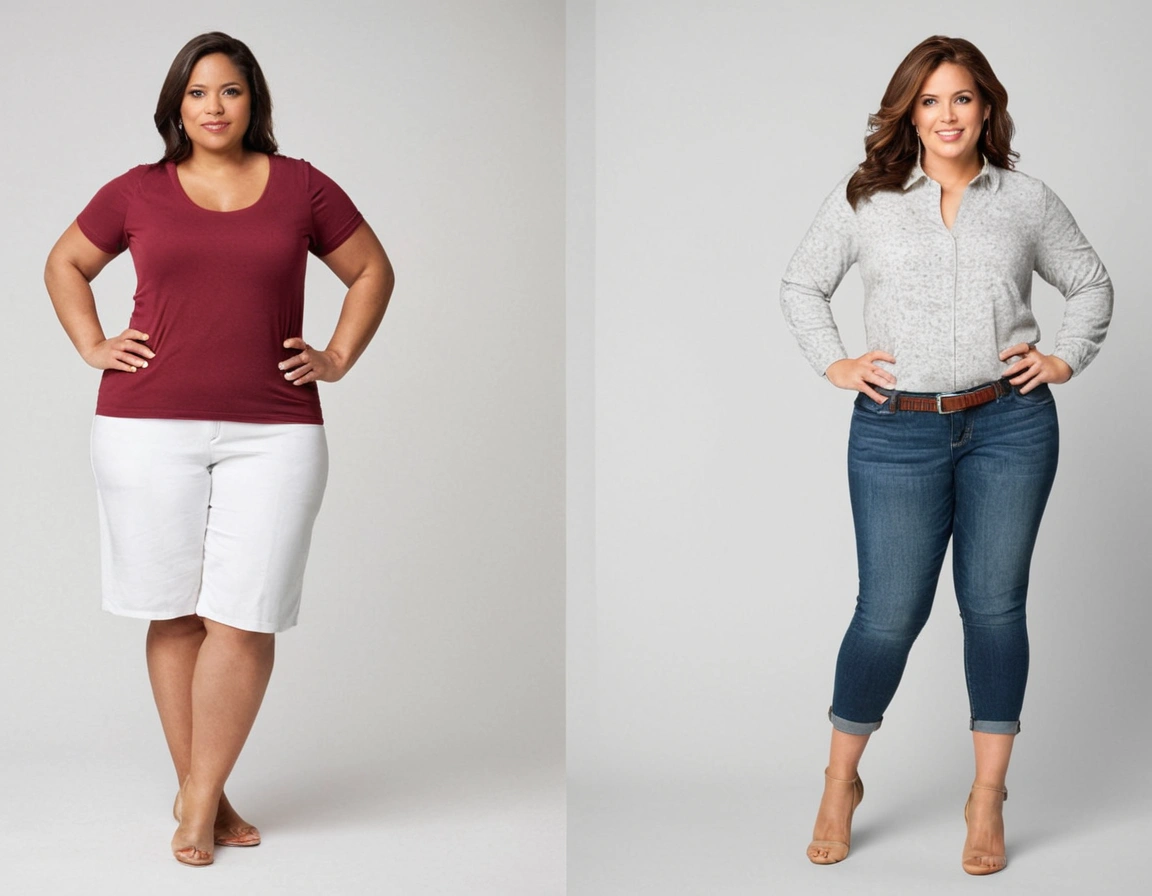
If you’ve ever described yourself as “pear-shaped,” you’re not alone. Pear-shaped body fat distribution is one of the most common patterns among women, where fat is stored predominantly in the thighs, hips, and buttocks.
This body type is influenced by estrogen, which directs fat storage toward the lower body during reproductive years. Evolutionarily, this pattern supported fertility and pregnancy by providing an energy reserve.
The challenge is that Thigh and Hip Fat Loss is more resistant compared to abdominal fat. While belly fat (particularly visceral fat) responds more quickly to calorie deficit and exercise, lower body fat cells have a higher number of alpha-2 receptors—receptors that inhibit fat breakdown. This makes it harder for the body to mobilize fat from these areas.
Inner Thigh Fat: Why It’s So Stubborn
Inner thigh fat is notorious for being one of the most difficult areas to slim down. Even with consistent dieting and cardio, many people find this fat lingers long after other areas have leaned out.
There are three main reasons why inner thigh fat is stubborn:
- Genetics: Your genetic blueprint determines where fat cells accumulate and how resistant they are to shrinking.
- Hormonal influence: Estrogen promotes fat storage in the thighs, particularly on the inner thighs, making fat loss slower in this region.
- Lower blood flow: Studies show that stubborn fat areas, like the inner thighs, have reduced blood flow, making fat mobilization less efficient.
While spot reduction is a myth, strengthening exercises like squats, lunges, and inner thigh squeezes can tone the muscles under the fat. This improves overall leg shape once Thigh and Hip Fat Loss occurs through total-body fat reduction.
Hip Dips and Love Handles: Genetic Factors
Another common concern during Thigh and Hip Fat Loss is the appearance of hip dips and love handles.
- Hip Dips: These are the inward curves between the hip bone and upper thigh. Hip dips are primarily determined by skeletal structure, not fat. Some people naturally have more pronounced dips due to the shape of their pelvis. While building glute and thigh muscles can reduce their appearance, they cannot be completely eliminated.
- Love Handles: The fat that accumulates on the sides of the waist and hips is heavily influenced by genetics and hormonal balance. Cortisol (stress hormone) and insulin resistance can encourage fat storage here, making love handles one of the last areas to shrink.
It’s important to recognize that Thigh and Hip Fat Loss may not create a “perfect” silhouette. Instead, success should be measured by health improvements, strength, and overall body composition changes.
Why Lower Body Fat Loss Takes Longer
The lower body has more stubborn fat receptors and slower fat mobilization compared to other areas. This is why during weight loss, you may see changes in your face, arms, or chest long before your hips and thighs slim down.
However, consistent training and nutrition eventually reduce fat everywhere. The key to Thigh and Hip Fat Loss is patience, persistence, and acceptance that genetics play a major role in where your body loses fat first.
Practical Tips for Thigh and Hip Fat Loss
- Strength Training: Focus on compound movements (squats, deadlifts, lunges) that build muscle in the legs and glutes. This improves shape and metabolism.
- Cardio with Intervals: HIIT workouts help mobilize fat more effectively than steady-state cardio.
- Balanced Nutrition: Create a moderate calorie deficit while eating plenty of protein, fiber, and healthy fats.
- Hormone Management: Reduce stress to lower cortisol, improve sleep, and balance blood sugar levels.
- Consistency Over Perfection: Fat loss is systemic, not local. The lower body will lean out with time if you maintain overall fat loss habits.
Conclusion
Thigh and Hip Fat Loss is challenging because of genetics, hormones, and fat receptor distribution. Inner thigh fat, hip dips, and love handles are all influenced by factors beyond your direct control. Still, with the right approach—strength training, balanced nutrition, and stress management—you can reshape your lower body and improve health markers.
The key is to set realistic expectations: you can tone, slim, and strengthen, but you cannot fight biology. Embrace progress, not perfection, and focus on becoming stronger and healthier at every stage.
FAQ – Thigh and Hip Fat Loss
1. Why is thigh and hip fat so hard to lose?
Because fat cells in these areas have more alpha-2 receptors, making them resistant to fat breakdown.
2. Can inner thigh fat be targeted with exercise?
No. You can’t spot reduce, but exercises like lunges and squats tone muscles, improving appearance after overall fat loss.
3. Are hip dips caused by fat?
No. Hip dips are largely structural, based on pelvic shape. Muscle building can reduce their visibility.
4. Why do love handles take so long to disappear?
Genetics, hormones, and stress-related cortisol influence fat storage around the waist and hips.
5. What’s the best way to achieve thigh and hip fat loss?
A combination of strength training, HIIT cardio, a balanced diet, and patience for gradual results.