Spot Fat Reduction: The Complete Guide to Regional Slimming in 2025⏬

Spot Fat Reduction: The Complete Guide to Regional Slimming in 2025
The desire for a lean, sculpted body has led to the rise of countless fitness trends and diet strategies. One of the most persistent ideas in the health and fitness industry is Spot Fat Reduction, often referred to as regional slimming or targeted fat loss. The concept suggests that by exercising or treating specific areas of the body—like the belly, thighs, or arms—you can selectively reduce fat in those spots.
But is this really possible? Or is Spot Fat Reduction just another fitness myth that refuses to fade? In this guide, we’ll explore the science, the myths, the realities, and what the latest research in 2025 reveals about targeted fat burning.
Is Spot Fat Reduction Really Possible? The Science Behind Targeted Fat Loss
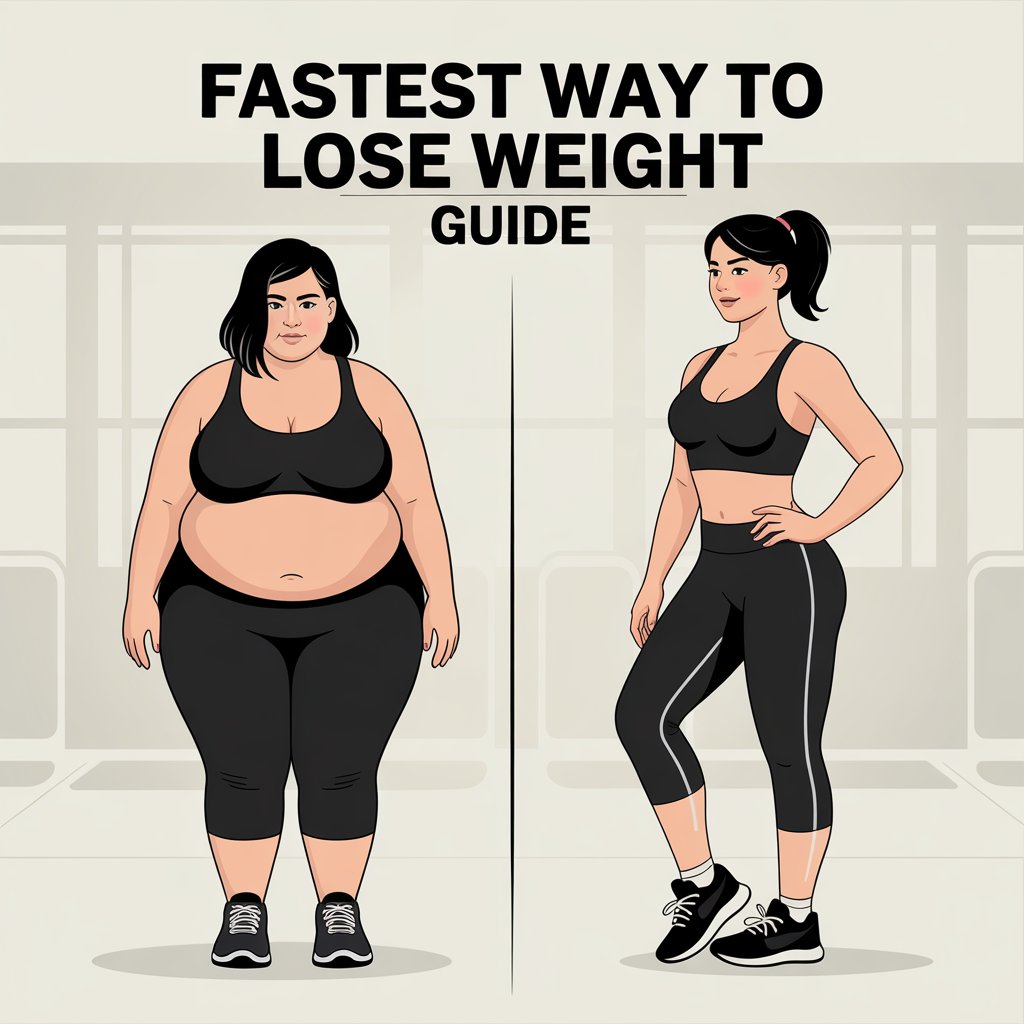
The concept of Spot Fat Reduction appeals to almost everyone. After all, who wouldn’t want to burn fat exactly where it bothers them most? Crunches for belly fat, tricep dips for flabby arms, squats for slimmer thighs—these exercises are often marketed as the magic solution to “melt fat” in one region.
Unfortunately, the science of targeted fat loss doesn’t fully support this idea. Fat cells are distributed throughout the body, and they shrink when you burn more calories than you consume. Your body decides where the fat comes off first, not your workout. Genetics, hormones, and gender all play a role in determining fat distribution and which areas lose fat more quickly.
That said, regional exercises are not completely useless. While they may not burn fat specifically in one spot, they tone and strengthen the muscles underneath, which can give the appearance of a leaner, more sculpted area once overall fat decreases.
What Science Says About Spot Reduction
Decades of research have consistently debunked the idea of strict Spot Fat Reduction. For example, studies from the 1980s showed that doing thousands of sit-ups did not reduce belly fat any more than fat from other regions.
However, more recent studies suggest there may be a small element of truth to localized fat burning under certain conditions. Research has shown that during exercise, the fat closest to the working muscles may be slightly more metabolically active. This means your body might release more fatty acids from those regions during training—but the effect is small and not enough to rely on as a weight loss strategy.
In practical terms, Spot Fat Reduction is minimal compared to the bigger impact of overall calorie deficit, consistent exercise, and long-term healthy habits.
How Fat Loss Actually Works in the Body
To understand why Spot Fat Reduction is limited, it’s important to know how fat loss actually works:
- Caloric deficit: Fat is lost when your body uses more energy than it consumes.
- Hormone-driven fat release: Hormones like adrenaline signal fat cells to release fatty acids into the bloodstream.
- Systemic process: Once released, fatty acids travel through the bloodstream and can be used as fuel by muscles throughout the body.
This means that while you may “feel the burn” in one muscle group, the fat burned is not exclusively from that spot. Regional slimming happens indirectly—by toning a muscle and reducing overall body fat, the targeted area eventually looks leaner.
Recent Studies and Research Findings
In 2025, new research continues to explore the nuance of Spot Fat Reduction. Some studies using advanced imaging techniques have confirmed a slightly higher fat mobilization in trained areas during exercise. However, the difference is too small to make spot reduction a reliable strategy.
On the other hand, technologies like cryolipolysis (fat freezing), laser lipolysis, and radiofrequency treatments can selectively reduce fat cells in specific areas. While these aren’t workouts, they show that regional slimming is possible through medical or cosmetic interventions.
Still, for those relying purely on exercise, the evidence is clear: the best approach remains a combination of strength training, cardiovascular workouts, and nutrition, which together promote full-body fat reduction and improved muscle tone.
The Myth vs Reality of Targeted Fat Burning
Myth: Doing crunches will melt belly fat.
Reality: Crunches strengthen your abs but won’t directly burn stomach fat. Overall fat loss plus ab exercises lead to a toned core.
Myth: Squats alone slim the thighs.
Reality: Squats build strong leg muscles. When combined with total-body fat loss, they help reveal leaner thighs.
Myth: Cardio on certain machines burns fat from specific regions.
Reality: Cardio promotes overall calorie burn. Where fat disappears first is largely determined by genetics.
The reality is that Spot Fat Reduction is not a standalone solution. Instead, it’s best viewed as a complementary strategy—use targeted exercises to tone specific areas while maintaining a full-body approach for fat loss.
Conclusion
In 2025, the verdict is clear: Spot Fat Reduction as a workout-only strategy remains largely a myth. While some new studies show minor localized effects, they are too small to produce visible results. The best path to regional slimming is still a holistic one—combine consistent strength training, smart nutrition, and cardiovascular activity.
For those seeking faster or localized results, medical treatments can complement fitness efforts. But for most people, the most effective approach is sustainable lifestyle change: eating well, moving often, and targeting all major muscle groups.
Spot Fat Reduction may never be fully possible through exercise alone, but with the right strategy, your body can achieve the lean, balanced look you want.
FAQ – Spot Fat Reduction
1. Is Spot Fat Reduction real?
Not in the way many people believe. Exercise alone can’t melt fat from one area, but it can tone muscles underneath.
2. Can I lose belly fat by doing crunches?
No. Crunches build core strength but don’t burn belly fat directly. A calorie deficit is required for fat loss.
3. What actually reduces fat in specific areas?
Medical treatments like cryolipolysis or laser lipolysis can reduce localized fat cells, but exercise cannot.
4. Does targeted fat loss work better with strength training?
Strength training builds muscle in specific areas, which improves the appearance of those regions once overall fat decreases.
5. What is the best approach for regional slimming?
A combination of total-body fat loss through diet and cardio, plus targeted strength training, creates the most effective results.