Why Men Lose Weight Faster Than Women⏬

Why Men Lose Weight Faster Than Women – And How Women Can Overcome It
Why Men Lose Weight Faster Than Women?
Why Men Lose Weight Faster Than Women. When couples start a diet together, both might be equally motivated, carefully counting calories, and sticking to the plan. Yet, men often see faster results on the scale than women in the early stages. This isn’t just coincidence — it’s rooted in women vs men metabolism differences, hormonal factors, and body composition.
Endocrinologist Dr. Marcio Griebeler explains that genetic makeup gives men a head start, but women can still achieve remarkable results by understanding these differences and applying smart strategies.
Body Composition and Metabolism Differences
Metabolic Rate Advantage
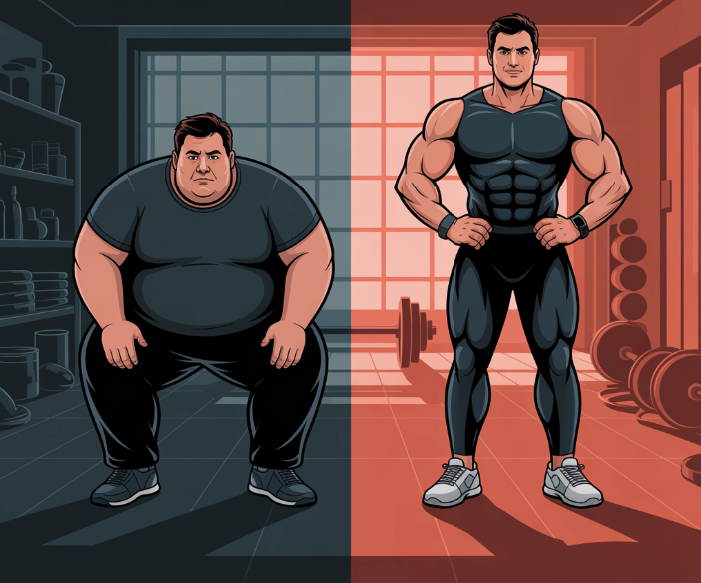
Men naturally carry more lean muscle mass and less body fat. Since muscle burns more calories at rest, a higher muscle-to-fat ratio gives men a faster basal metabolic rate (BMR). Even during rest, this leads to higher daily calorie burn.
Female Body Composition
Women’s bodies are designed to store more fat, partly as an evolutionary adaptation to support pregnancy and breastfeeding. This higher fat percentage, combined with female metabolism differences, can make fat loss slower.
Fat distribution also plays a role. Men often store fat in the abdominal area, which is metabolically active and easier to burn, while women’s fat storage is more evenly spread across hips, thighs, and buttocks.
Hormonal Factors Affecting Women’s Weight Loss
Pregnancy and Postpartum Changes
Pregnancy brings natural weight gain and fat storage. After childbirth, losing weight can be challenging due to hormonal shifts, reduced sleep, and limited time for exercise. While breastfeeding can help burn calories, it’s not a guaranteed female metabolism boost.
Menopause and Aging
During menopause, estrogen levels drop, metabolism slows, and fat tends to accumulate around the midsection. Age-related muscle loss (sarcopenia) further lowers calorie burn. This is one reason menopause and belly fat are often linked in weight loss discussions.
Hormonal Disorders
Conditions like PCOS weight loss struggles, hypothyroidism, and Cushing’s syndrome can cause hormonal imbalances that slow or prevent weight loss. PCOS alone affects 5–10% of women and is associated with insulin resistance, making diet management essential.
Psychological and Lifestyle Factors
While biology is important, behavior also matters:
- Emotional eating: Chronic stress raises cortisol levels, leading to increased fat storage.
- Exercise habits: Men tend to include strength training more often, while women may focus solely on cardio.
- Calorie perception: Women may underestimate calorie intake from “healthy” foods like smoothies or nut butters.
How Women Can Overcome These Challenges
1. Build Muscle with Resistance Training
Strength training is essential for sustainable weight loss for women. It increases muscle mass, boosts metabolism, and prevents bone loss.
Options include:
- Gym machines or free weights
- Resistance bands
- Bodyweight exercises (squats, push-ups, lunges)
- Pilates or reformer workouts
2. Choose a Tailored Eating Plan
Women’s calorie needs for weight loss are often lower — around 1,200–1,400 calories per day depending on activity level. The best approach is one you can maintain long term.
- Mediterranean diet for balance and heart health
- Low-carb or ketogenic diets for PCOS weight loss tips and insulin resistance
- Avoid processed sugar, refined carbs, and excessive snacking
- Include high-fiber vegetables, lean proteins, and healthy fats
3. Focus on Long-Term Progress
Men may see rapid results in the first weeks, but women often catch up with steady, consistent habits. Losing 1–2 pounds per week is ideal for sustainable weight loss and avoiding regain. Quick fixes or crash diets often lead to rebound weight gain.
Science of Slow and Steady Loss
Cutting calories too drastically can lower your metabolic rate, making it harder to lose fat. Gradual changes help maintain muscle mass and calorie burn. Combining resistance training with balanced nutrition prevents metabolic slowdown.
Key Takeaways
- Men’s higher muscle mass gives them an early advantage in fat loss.
- Women face unique hormonal and metabolic challenges, especially during menopause weight gain or hormonal disorders.
- Building muscle, tailoring calorie intake, and focusing on gradual progress close the gap over time.
- Consistency beats quick fixes for both genders. Why Men Lose Weight Faster Than Women
FAQ – Weight Loss Differences Between Men and Women
Why do men lose weight faster than women?
Men’s higher lean muscle mass and faster metabolic rate burn more calories at rest.
Can women match men’s weight loss speed?
Yes, with consistent resistance training, strategic nutrition, and patience.
What is the best exercise for women to burn fat?
A mix of strength training and cardio. Strength builds metabolism-boosting muscle, cardio supports heart health.
Do hormonal imbalances stop weight loss completely?
Not completely, but they can slow it. Medical advice and tailored diet plans can improve results.
Is slow weight loss better for women?
Yes. Gradual loss of 1–2 pounds weekly is more sustainable and reduces the risk of regaining weight.
Conclusion
Why Men Lose Weight Faster Than Women? While women vs men weight loss differences are real, they don’t determine your outcome. Understanding your body’s unique hormonal cycles, muscle composition, and metabolism allows you to design a plan that works for you.
By combining resistance training for women, balanced eating, and realistic expectations, you can overcome biological disadvantages and achieve long-term fat loss.
Remember — the race isn’t about who loses faster; it’s about who keeps the results for life. Why Men Lose Weight Faster Than Women